Ethylene vinyl acetate, or EVA as it’s often called, has changed the way manufacturers approach flexibility and resilience in plastics. Tracing back to the 1960s, chemical engineers looked for tough alternatives to rigid plastics, especially for packaging, cables, and sports equipment. They found success by combining ethylene and vinyl acetate under pressure with specially designed catalysts. By introducing varying levels of vinyl acetate, the resulting copolymer delivered better impact resistance, elasticity, and compatibility with different additives. EVA’s adoption quickly grew as folks realized how well it adapted to applications where traditional polyethylene cracked or failed. In daily life, many people don’t see EVA, but they use products made better thanks to this bit of polymer science ingenuity.
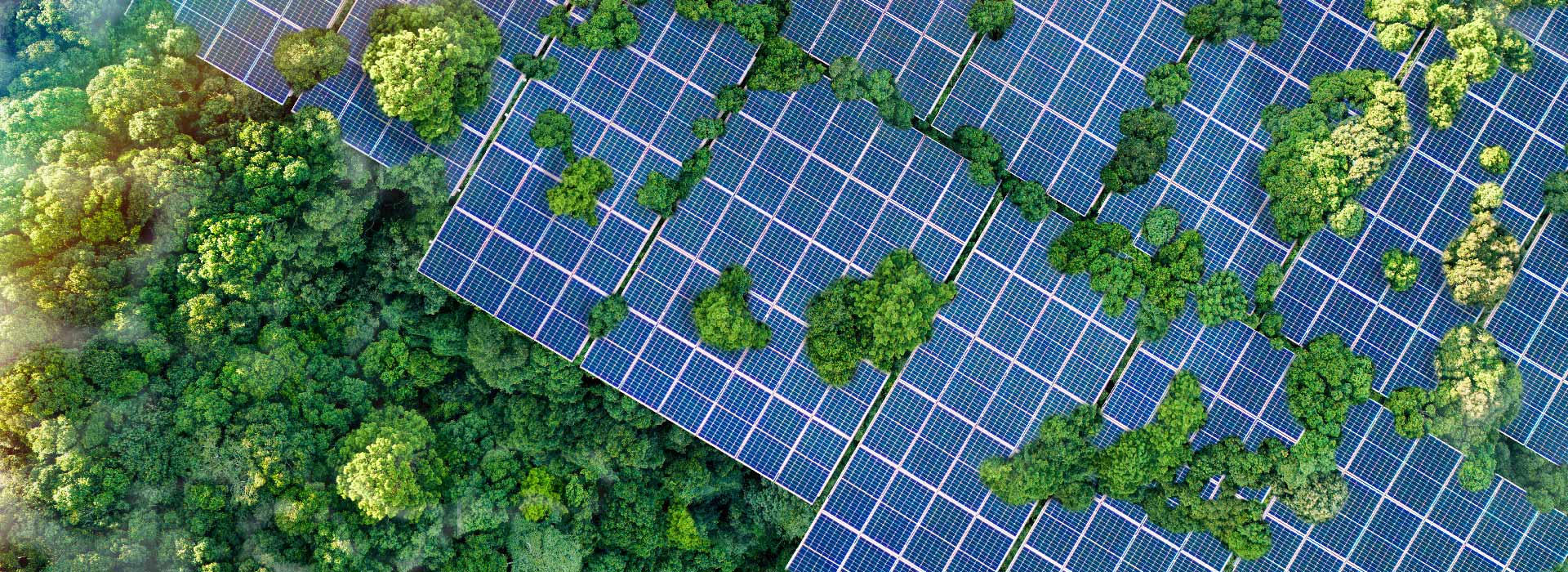
People run into EVA most frequently through foam underlays, shoe soles, hot melt adhesives, and clear films. Each product highlights its blend of flexibility and toughness. Shoe brands lean on EVA for shock-absorbing midsoles, giving a springy step while keeping costs manageable. Packaging companies value EVA’s balance between sealing strength and softness—keeping food safe without cracking at low temperatures. Flooring and sports equipment makers use EVA’s foam forms for padding and bounce, often customizing density and color. In adhesives, it melts and sets quickly without noxious fumes, a refreshing change from older resin types. Even solar panels use EVA layers to encapsulate sensitive photovoltaic elements, trusting the polymer to weather decades of sun, rain, and thermal cycling.
Test EVA in the lab, and you’ll find a soft, almost rubbery feel at room temperature. The more vinyl acetate content present, the lower its melting point drops—those with around 40 percent VA come out almost as soft as some rubbers. Water doesn’t faze it much, though strong acids or bases slowly break down its structure. Mechanical strength decreases as flexibility rises, a trade-off manufacturers constantly weigh. EVA remains lightweight and nearly transparent in lower VA grades, though more VA turns it cloudy and softer. Its chemical resistance stands up to many oils, greases, and cleaning products. Thermal stability tops out at around 80°C before deformation starts, so high-temperature uses rarely make sense.
On product data sheets, EVA shows up graded by vinyl acetate (VA) content—listings read like “EVA 18” for 18% VA. Melt flow index numbers, tensile strength, elongation at break, and shore hardness values fill out spec sheets for engineers to match with their needs. Manufacturers label bulk EVA shipments following hazard communication standards, often coding bags or drums by origin, composition, and compliance with toxicity laws such as REACH. The global supply chain expects barcodes and QR tags for traceability, making recalls and origin checking more reliable. Precise specs translate to fewer surprises on production lines, with a quick glance at physical form, batch codes, and safety warnings on packaging.
Factories produce EVA using high-pressure polymerization. The process starts by pushing purified ethylene and vinyl acetate monomers into a steel reactor, then ramping up both pressure and heat. Initiators—organic peroxides—throw the chemical switch so monomers begin forming long copolymer chains. The ratio of ethylene to vinyl acetate, sometimes tweaked in real time, controls flexibility and transparency. After reaction, the mixture cools and passes through stripping and filtering to remove leftover monomer and catalyst residue. Some plants add colorants, UV absorbers, antistatic agents, or flame retardants before pelletizing or expanding into beads. With the right extrusion setup, lines turn those beads into sheets, tubes, films, or foam blocks for all kinds of uses.
EVA stands up to moderate chemical environments, but it takes on interesting properties through thoughtful tweaking. Chemists can increase crosslinking using peroxide or electron beam treatment, locking the material into tougher, less meltable forms ideal for solar panel encapsulation and high-performance foams. They graft on functional groups to improve things like adhesion to metals or blending with other polymers. Reacting the acetate group opens up new ways to make block copolymers or shoe adhesives that grab hard-to-stick surfaces. Every modification turns EVA into something a bit different—sometimes softer, sometimes more heat-resistant, sometimes more compatible with recycled fillers.
People talk past one another in the plastics business, so EVA carries a handful of other names. It shows up on labels as ethylene-vinyl acetate copolymer, poly(ethylene-co-vinyl acetate), or simply as “foam polymer” in the sports industry. Brand names like Elvax, Levapren, and Escor command loyalty from big customers looking for consistency. Each brand lines up dozens of grade numbers, each tailored for melting point, clarity, or environmental standard. Industrial buyers have to learn both chemistry and market lingo to find the EVA blend matching their goal—otherwise they end up with the wrong mix in their products.
Factories take safety seriously with EVA. During production, vinyl acetate gives off vapors that require good ventilation and strict exposure control, since breathing too much may irritate airways. Downstream, EVA pellets and foams keep safety risks low, though dust from cutting may irritate eyes or lungs. Workers wear gloves and masks, relying on updated Safety Data Sheets that spell out proper handling and spill cleanup. Fire is another concern—EVA burns with a thick smoke and can release acetic acid, so storage areas follow fire codes stringently. Product standards such as RoHS, REACH, and ISO 9001 give buyers confidence about toxicity, trace metals, and consistent manufacturing no matter where the plant sits.
It’s tough to spend a day without bumping into EVA. Footwear designers choose EVA midsoles and sock liners for their balance between bounce and cost savings, getting all-day comfort and simple color matching. Hospitals trust EVA tubing and bags for drug delivery that stays flexible in the fridge or freezer. Construction companies roll out EVA foam sheets as underlays for laminates and carpet, dampening footsteps and hiding floor bumps. Battery manufacturers insulate cells with EVA layers, knowing they won’t crack from heat cycles. Toy manufacturers, packagers, and sporting goods shops depend on custom-blended EVA for puzzle mats, bottle caps, swim gear, and much more. Every use tells a story of adaptability and consumer safety.
Research labs and pilot plants chase new ways to tweak EVA for modern demands. A lot of effort focuses on renewable monomer sources—turning biomass into ethylene or acetate to cut fossil fuel dependence. Scientists combine EVA with starches, cellulose, or recycled rubber crumb to form bio-based or hybrid foams for greener packaging and lightweight structures. There’s ongoing development of high-crosslink EVA for solar cells, since every extra year of stable light transmission means more sustainable electricity. Engineers also look for fire retardants that don’t rely on heavy metals or halogens, seeking safe, low-toxicity blends that won’t harm recycling streams.
Most safety studies mark EVA as low-toxicity in its final form, a fact that reassures both manufacturers and consumers. The base monomers pose risks—vinyl acetate carries a possible carcinogen label and demands careful workplace control. Once bonded into EVA, those risks drop sharply. Researchers keep busy looking at how EVA breaks down in landfills and incinerators; concerns hover around small amounts of acetic acid and trace chemicals released under high heat. There’s no evidence EVA leaches harmful chemicals from shoes, toys, or packaging at normal use temperatures, though each new product jogs regulators and scientists to double-check findings.
EVA isn’t running out of steam. The hunt continues for solar encapsulants that withstand UV light longer and keep panels turning out power for decades. Shoemakers want smarter foams—tougher, lighter, faster to mold into ergonomic designs. As the plastics industry faces pressure to reuse and recycle more, plants develop EVA blends that include post-consumer scrap, bioplastic inputs, or break down in composters more quickly. Some labs even test shape-memory grades for technical textiles or medical devices, counting on EVA for a gentle touch against skin. Regulation and consumer demand pull future research toward safe, sustainable chemistry—so EVA keeps showing up, remade for the needs of tomorrow.
Walk into any sneaker store and start bending the sneakers on display. Most cushioned athletic shoes owe a lot to EVA foams. This material turns hard pavement into a soft landing. It shows up in yoga mats, bicycle saddles, and the flip-flops most people toss in their beach bag. EVA’s shock-absorbing qualities give feet and joints a break daily.
Working in product development, I’ve seen EVA pull off jobs that rubber can’t. Take playground tiles. EVA holds up under rain, sun, and constant traffic. It doesn’t get brittle or crack, so kids keep landing safe year after year. In medical products, I’ve handled EVA-based tubing for IV drips. It stands up to sterilization without breaking down or leaching chemicals. Hospitals bank on it for both safety and long-term durability.
Check your fridge for cheese or meat in a clear plastic pouch. Those flexible, vacuum-sealed packs often include EVA as a key layer. Companies count on its adhesion skills to seal multi-layer films. It keeps food fresher and helps block moisture better than straight polyethylene. In my own kitchen, I’ve noticed fewer freezer burn issues in bags made with EVA.
Packaging line engineers use EVA in hot-melt adhesives. Anyone who’s seen glue sticks at the office or craft store has brushed up against the stuff. It melts quick, dries fast, and doesn’t get brittle on the shelf. It also shows up holding labels to bottles and cartons in grocery stores across the country.
EVA doesn’t just make shoes more comfortable. Many folks don’t realize that EVA sheets hold the delicate silicon wafers together inside solar panels. These panels heat up, cool down, freeze, and sweat in the sun for decades. EVA holds everything in place and absorbs rough shocks. Without it, many rooftop solar panels would likely fail after a few years of sun and rain.
In my work on consumer electronics, I’ve seen EVA protect smartphones and tablets inside tough cases and screen protectors. By soaking up everyday bumps, it saves screens from cracks and keeps water out better than some rigid plastics.
Some folks raise questions about plastic waste. EVA does not break down quickly in landfills, so recycling becomes essential. Footwear companies and solar panel recyclers are starting to collect EVA foams and laminates at end-of-life. A few new processes can turn old material into fuel or new plastic products. Governments in the EU and Asia now give recyclers incentives to recover it. As someone who cares about the trash piling up in our cities, I hope more manufacturers take this seriously.
On the safety front, most scientific reviews show that EVA stays stable and doesn’t release toxins under normal use. In my experience, it gives consumers peace of mind, especially when used in toys and baby products. Still, the chemicals used to make EVA can harm factory workers if safety protocols slip. That’s been a challenge in lower-wage countries. Clear rules, training, and regular audits protect both workers and communities. The industry still has work to do there.
Whether it’s delivering a safer fall on the playground or holding together thin-film electronics, EVA manages problems few other plastics do as well. Quality control, recycling programs, and safer factory practices will keep EVA in the running as more consumers question what goes into their shoes, panels, and food packaging.
Ethylene Vinyl Acetate, or EVA, shows up in some surprising places. Many folks know it as the soft, flexible material behind yoga mats, shoe soles, foam craft sheets, and some hot glue sticks. It’s not rare to find EVA in jars, squeeze bottles, food trays, or as liners in packaging, either. The reason? Manufacturers like its clear appearance, durability, and resistance to cracking.
Government agencies, such as the U.S. Food and Drug Administration (FDA) and the European Food Safety Authority (EFSA), actually set the standards on how safe any substance is for food contact. They decide which materials can safely touch food, set migration limits (how much of a substance can leach into food), and outline test methods to check compliance. The FDA considers EVA acceptable for repeated or single-use contact with food, within very specific limits—especially about the makeup of EVA and any chemicals or additives blended in.
Vinyl acetate on its own raises more red flags than EVA as a polymer. Some studies have linked high exposure to vinyl acetate to possible risks for people, ranging from headaches to more significant concerns if exposure is long-term and at large doses. When EVA comes into contact with food, a tiny amount of that vinyl acetate can sometimes migrate. The critical question is how much gets into the food, and whether this amount presents any danger.
The EFSA stepped in and carried out risk assessments for food packaging. Findings show vinyl acetate levels in food—when packaging sticks to regulations—sit far below thresholds for health risks. In the US, the FDA has capped how much vinyl acetate can end up in the final polymer. Food safety authorities keep these legal thresholds strict to keep people protected. For instance, migration of vinyl acetate must not exceed 5 mg per kilogram of food, according to European law.
Plenty of parents want to know about chemicals near their kids’ food, and no one likes vague reassurances. As a parent, I’m careful with plastics that go in the microwave or freezer. If you’re reading a recycling code or label and see “EVA,” you’ve probably got a liner or wrap following strict safety laws. Reputable brands test their packaging before putting it on the shelves—and insider tip, the costs and time for regulatory approval push most legit companies to keep things safe to avoid recalls and legal headaches.
Anyone worried about food packaging safety can make a few smart choices. Look for packaging from brands that publish their compliance certificates. Extra peace of mind comes from avoiding direct food contact with plastic packaging when microwaving or reheating foods. If you work in food service or manufacturing, buy supplies from vendors who provide detailed compliance paperwork.
The science around chemicals in food packaging evolves as new research comes to light. More long-term studies and third-party testing by consumer groups could help answer lingering doubts. Lawmakers could ask for clearer food-contact labeling on packaging. Industry players could step up, too, by publishing independent test results and maintaining honest communication with shoppers and regulators.
EVA remains a common sight in food-safe applications, and currently sits within international safety standards. Safe use depends not just on the chemical itself, but on real adherence to manufacturing standards and honest oversight. The safest bet will always be making sure food packaging passes the strictest possible checks, keeping people—especially the most vulnerable—out of harm’s way.
Ethylene Vinyl Acetate, or EVA, shows up in more places than most people suspect. Flip over a pair of running shoes, and odds are that bouncy sole gets its cushion from EVA foam. Look at stress mats in kitchens or gyms — same thing. Even packaging for fragile tech gear wraps up in it. All those moments where products need to bend, take hits, or just feel a bit softer often owe a lot to this material. That makes it more than just “some plastic.” Folks rely on those properties every day, even if they’ve never heard of EVA by name.
Let’s talk toughness. This stuff doesn’t just take impacts, it keeps shape after a squeezing or a stomp. Mix in its natural flexibility, and EVA feels more like rubber than some rigid plastics. Shoes made with it cushion each step even after months on city sidewalks. Thanks to this give, EVA insulates against shock better than most budget-friendly materials.
Chemical resistance gives EVA an edge in situations where water, oils, or ordinary wear usually take their toll. Garden hoses, waterproof seals, outdoor sports gear: exposure to the elements won’t turn it brittle or crumbly. In my own experience, pool sandals with EVA outlasted cheaper plastics that cracked before summer ended.
What surprises some is how well EVA handles temperature changes. The foam version won’t shrink or break down in cold weather like traditional rubber soles. When winter hits, boots stay flexible. EVA hangers for sporting equipment or protective padding keep their bounce whether left out in a cold garage or stuffed in a summer bag.
Many people worry about chemicals leaching from plastics, especially in children’s toys or food packaging. EVA stays in demand for those precisely because it doesn’t rely on plasticizers such as phthalates, which have raised health flags elsewhere. Companies keep using EVA in teething toys, reusable containers, yoga mats, and other close-contact products. That kind of trust doesn’t pop up out of nowhere — it’s earned after years without safety scandals.
EVA shines in the hands of product designers. They shape, cut, color, and adhere this material into just about any form. Its ability to take bright, stable colors opens up shelves full of eye-catching options — no need for boring grays or chemical-heavy colorants. EVA’s bond to fabrics and other plastics also keeps manufacturers experimenting, leading to lighter, comfier products.
Thermoforming gives EVA foam the stretch to handle the wild shapes seen in protective headwear, bicycle seats, or performance footwear. It doesn’t flake or lose its finish like hard plastics after repeated use.
Convenience sometimes leaves big footprints. EVA doesn’t break down in a landfill anywhere near as fast as natural rubber. This creates headaches as more shoes, mats, and packaging stack up. For years, I tossed old sports gear in the trash, not knowing it’d outlive me by decades. Right now, new solutions focus on recycling and using bio-based alternatives. Some shoe brands offer return programs, where old EVA soles get ground up for fresh gear.
Change won’t happen overnight. Manufacturers, recyclers, and consumers all have to care enough to push for less waste. Support for new recycling tech, alongside personal choices to buy from companies making genuine efforts, makes progress possible. Every step counts, even if small.
Ethylene-vinyl acetate, known as EVA, pops up in everything from kids’ foam play mats to running shoe soles. The stuff feels soft, bends easily, and doesn’t crack under pressure. I once replaced a deteriorating garden kneeling pad with an EVA one, and after two years in the sun and rain, it’s still flexible. EVA doesn’t contain chlorine, which means it skips over a lot of the worries tied to burning or breaking down other plastics. It puts fewer harsh chemicals into the air if it ends up at a landfill or, worse, gets burned improperly.
Polyvinyl chloride, commonly called PVC, gets picked for pipes, window frames, and cheap inflatables. The material stands up well under heavy use and has serious durability. In my house, the plumbing relies on thick PVC pipes. Those pipes will likely outlast the mortgage. PVC’s biggest draw comes from its strength and low cost—nothing matches it in large-scale building projects, especially where water or weather threaten other plastics.
PVC attracts a lot of complaints for reasons mostly environmental and health-related. Making it requires vinyl chloride, a known carcinogen, and a bunch of plasticizers to give it flexibility. Over years, some of these additives can leak out. Kids chew on plastic toys and those chemicals can end up in their mouths. European regulators have put strict rules in place for phthalates—a common group of these additives. If a vinyl raincoat starts to smell odd after some time, that’s the scent of chemicals escaping.
Choosing between EVA and PVC isn’t just about cost or convenience. EVA won’t work in every spot; it gives up some hardness and heat-resistance. I tried EVA sheet as a weather barrier, but after a southern summer, it shrank and lost shape. PVC stays put and deals with higher temperatures better. A toy manufacturer aiming to pass strict child-safety rules would likely reach for EVA, since it carries a lower risk of harmful chemical release.
Transparency differences can steer choices. PVC sheets get used in clear packaging and windows, thanks to a glassy look. EVA looks a little cloudy, so it fits roles where clarity isn’t the main point. Shoe companies have leaned into EVA for shock absorption—years of running miles in EVA-based sneakers confirm the material’s comfort. Hospitals use EVA tubing for IV lines because it’s less reactive and more flexible, a quality doctors and nurses notice daily.
The story of plastics involves tradeoffs. My backyard shows how both materials have a role—PVC keeps water running for the tomatoes, EVA cushions the knees after weeding. Environmental groups push the industry to trim back on use of harmful plasticizers and look for plant-based options. Some EVA makers have turned to bio-based feeds, cutting fossil fuel needs. PVC remains rooted in oil and chlorine industries, and shifting away comes slow due to cost and infrastructure.
Change comes both from regulation and from what people buy. We all gain by buying products that last and carry fewer hidden pollutants. I look at country-of-origin labels, third-party certifications, and, if possible, seek products that use less harmful chemicals—like EVA instead of flexible PVC when the choice makes sense. The more attention people pay, the cleaner and safer the plastics in everyday life can get.
Pick up a foam yoga mat, the soles of running shoes, or a flexible sole in a kid’s sandal. Chances are, you’re holding something made from Ethylene Vinyl Acetate, or EVA. People like these products for their softness, light weight, and strength. The trouble is, few of us ever stop to ask what happens to them once they wear out.
After seeing my kids outgrow their shoes, I always wondered where those bright colored soles land up. The short answer: most go straight to landfill. EVA is not one of those plastics that recycling centers love to collect. The material often mixes with other stuff—dyes, glue, or fabric. This mix makes sorting and reusing EVA tricky.
Many curbside programs ignore EVA. Recycling codes don’t even have a number just for it. It sits in a gray area, not quite a regular plastic, not quite an unknown. This leaves consumers with no easy way to recycle EVA foam. Tossing these items in the blue bin usually leads them to the garbage anyway.
Recycling EVA is possible. Big sportswear brands have started taking back used shoes and mats to cut waste and make new gear. Companies like Nike grind old soles into pellets and press them into new tracks and playgrounds. That innovation helps close the loop, at least for some products.
The recycling works best when products have a lot of EVA and few added chemicals. Clean, all-EVA foam is easier to process than a shoe packed with rubber trims and metal eyelets. Sorting out mixed materials by hand or machine adds cost. Not every recycling business can handle that. Plus, EVA melts at low temperatures and loses quality after being recycled many times.
EVA production uses oil, water, and energy—and shoes and yoga mats sell in the millions. Tossing used products in a hole wastes all those resources and builds up landfill space that communities can barely afford to spare.
Burning EVA also risks air pollution. Incineration can release chemicals like acetic acid, which produces an unusual vinegar smell and might cause breathing irritation. If not burned cleanly, it makes smog and carbon emissions worse.
Change needs action on several fronts. Designers can build sports gear that’s easier to break apart at the end of its life. Brands should invest in sorting and collection programs for worn-out EVA products. People who toss old shoes and mats need clear drop-off spots, not just a tiny line on the box that says “please recycle.”
Support for research into new, earth-friendlier compounds can also turn the tide. Some chemists have started blending EVA with plant-based materials, cutting down the oil content.
Each step, even if small, pushes the world away from single-use habits. As long as demand keeps rising and old products clutter shelves and bins, finding ways to reuse or repurpose EVA must stay part of the conversation—for healthier air, less trash, and futures that look a little brighter.
| Names | |
| Preferred IUPAC name | poly(ethene-co-ethyl ethanoate) |
| Other names |
EVA
Poly(ethylene-co-vinyl acetate) Ethylene-vinyl acetate copolymer Vinyl acetate-ethylene copolymer EVA copolymer |
| Pronunciation | /ˈɛθ.ɪ.liːn ˈvaɪ.nəl ˈæs.ɪ.teɪt/ |
| Identifiers | |
| CAS Number | 24937-78-8 |
| Beilstein Reference | 3851344 |
| ChEBI | CHEBI:53715 |
| ChEMBL | CHEMBL2105937 |
| ChemSpider | 15318 |
| DrugBank | DB09344 |
| ECHA InfoCard | 03b0d43b-0e8c-4a31-b2eb-3c7f2277e02e |
| EC Number | 249-545-9 |
| Gmelin Reference | 1847 |
| KEGG | C18751 |
| MeSH | D004999 |
| PubChem CID | 23964 |
| RTECS number | KK4100000 |
| UNII | 2U8HRJ217P |
| UN number | UN3082 |
| CompTox Dashboard (EPA) | DTXSID4022716 |
| Properties | |
| Chemical formula | (C2H4)x(C4H6O2)y |
| Molar mass | 86.09 g/mol |
| Appearance | White to yellowish granules or powder |
| Odor | Faint, waxy |
| Density | 0.92 g/cm³ |
| Solubility in water | slightly soluble |
| log P | -0.55 |
| Magnetic susceptibility (χ) | −8.1×10⁻⁶ |
| Refractive index (nD) | 1.49 |
| Viscosity | 1500 cP |
| Dipole moment | 1.81 D |
| Thermochemistry | |
| Std molar entropy (S⦵298) | 361.1 J·mol⁻¹·K⁻¹ |
| Std enthalpy of formation (ΔfH⦵298) | -407.9 kJ/mol |
| Std enthalpy of combustion (ΔcH⦵298) | -3080 kJ/mol |
| Hazards | |
| GHS labelling | GHS07 |
| Pictograms | GHS07, GHS08 |
| Signal word | Warning |
| Hazard statements | Hazard statements: Not classified as hazardous according to GHS. |
| Precautionary statements | P210, P243, P261, P280, P304+P340, P305+P351+P338, P312, P337+P313, P370+P378, P403+P235 |
| NFPA 704 (fire diamond) | Health: 1, Flammability: 1, Instability: 0, Special: - |
| Autoignition temperature | 350°C |
| Explosive limits | Not explosive |
| Lethal dose or concentration | LD50 (oral, rat): > 2000 mg/kg |
| LD50 (median dose) | LD50 (oral, rat) > 5,000 mg/kg |
| NIOSH | KV9450000 |
| PEL (Permissible) | PEL (Permissible Exposure Limit) for Ethylene Vinyl Acetate: Not established |
| REL (Recommended) | 50 mg/m³ |
| Related compounds | |
| Related compounds |
Polyethylene (PE)
Polyvinyl acetate (PVAc) Ethylene-methyl acrylate (EMA) Ethylene ethyl acrylate (EEA) Ethylene propylene diene monomer (EPDM) Polyvinyl alcohol (PVA) Low-density polyethylene (LDPE) |


